
Budget Meal Planning: Easy & Affordable Tips
Meal planning is a great way to save money on your food bill while still enjoying nutritious meals. Whether you’re on a tight budget, looking for low-cost meal planning options, or simply want to be more frugal with your meal prep, these tips will help you create delicious and affordable meals.
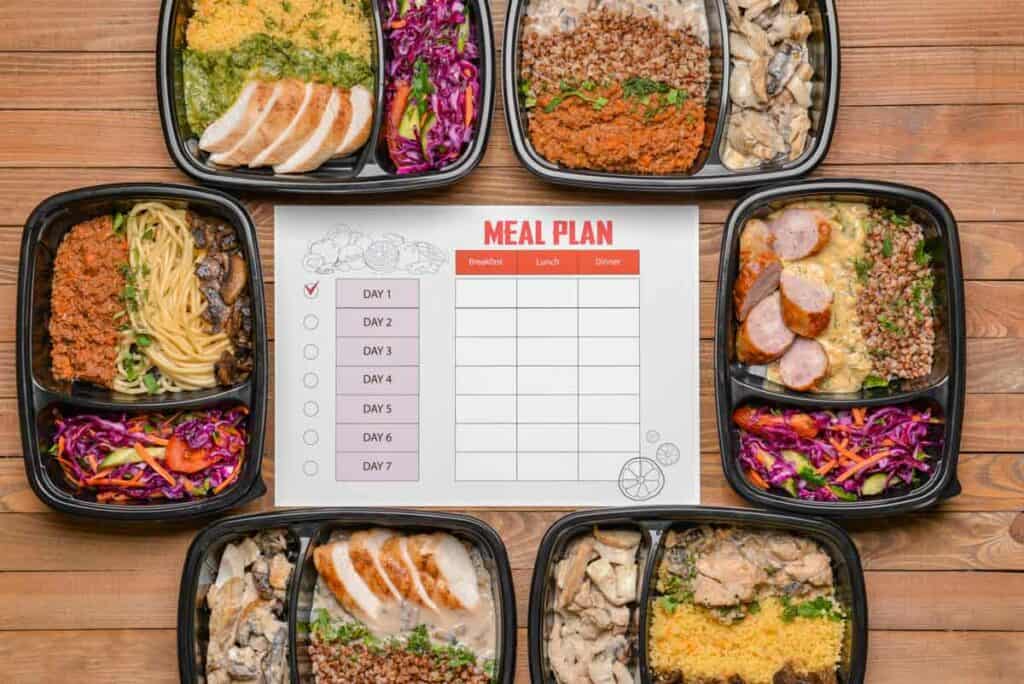
When it comes to planning meals on a budget, there are several key strategies you can employ. By following these easy and affordable tips for budget-friendly meal planning, you can save money, reduce food waste, and eat delicious, cheap meals without breaking the bank.
Key Takeaways:
- Meal planning is a great way to save money on your food bill.
- By planning ahead, you can avoid the temptation of fast food or convenience meals.
- Take inventory of the ingredients you already have and incorporate them into your meal plan.
- Set a budget for your groceries and prioritize your health goals when making choices.
- Create a weekly meal plan that includes affordable protein options, seasonal recipes, and leftovers.
Why Should You Try Meal Planning?

Meal planning offers several benefits beyond just cost savings. By planning your meals ahead, you can save money on food while also boosting nutrition. Let’s take a closer look at the meal planning benefits:
- Avoid the temptation of fast food or convenience meals: When you have a meal plan in place, you’re less likely to give in to unhealthy food options. By having nutritious meals already planned out, you can resist the urge to grab takeout or rely on processed foods.
- Reduce food waste: Meal planning allows you to make use of all the ingredients you purchase, reducing the amount of food that goes to waste. By carefully selecting recipes and portion sizes, you can ensure that everything you buy gets used, minimizing food waste and saving money.
- Ensure balanced and nutritious meals: Planning your meals ahead of time gives you the opportunity to create well-balanced dishes that provide all the necessary nutrients your body needs. When you have a plan in place, you can make sure to include a variety of fruits, vegetables, lean proteins, and whole grains in your meals.
- Save time: With meal planning, you can save precious time during busy weekdays. By preparing meals in advance or having a clear plan of what to cook, you can streamline your cooking process and spend less time in the kitchen on a daily basis.
- Make healthier food choices: When you have a meal plan, you’re more likely to make healthier choices since you have already thought through your food options. This can help you resist unhealthy cravings and stick to your nutrition goals.
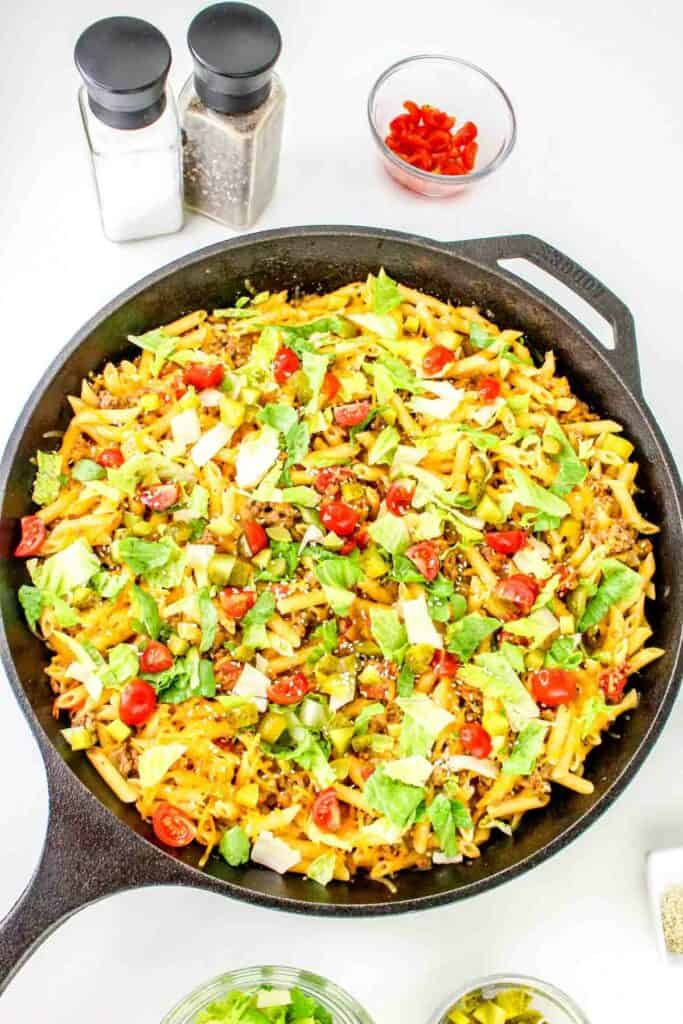
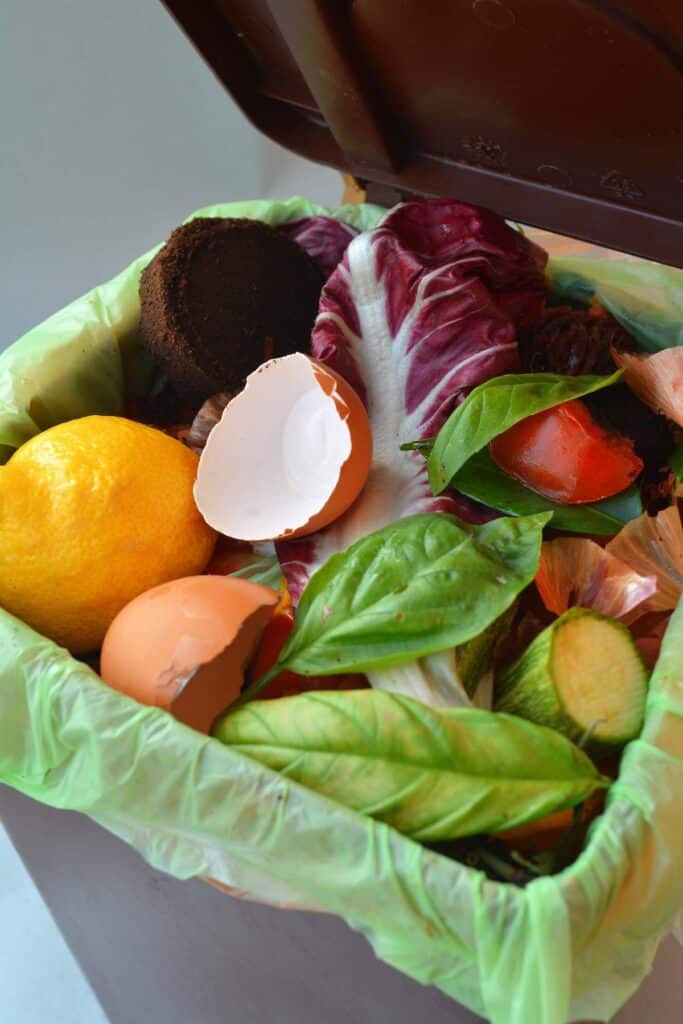

By incorporating meal planning into your routine, you can experience all of these benefits and more. It’s a simple yet effective strategy to save money on food while boosting nutrition.
Start Meal Planning on a Budget
To start meal planning on a budget, you need a strategy that allows you to save money without compromising on nutrition or flavor. By following these meal-planning tips, you can create delicious and affordable meals for yourself and your family.
1. Make a Menu
Begin by making a menu for the meals you want to make for lunch and dinner. This will help you stay organized and ensure that you have all the necessary ingredients on hand. Consider incorporating plant-based meals into your menu as they tend to be more budget-friendly and can provide affordable protein options.
2. Plan Around Sales
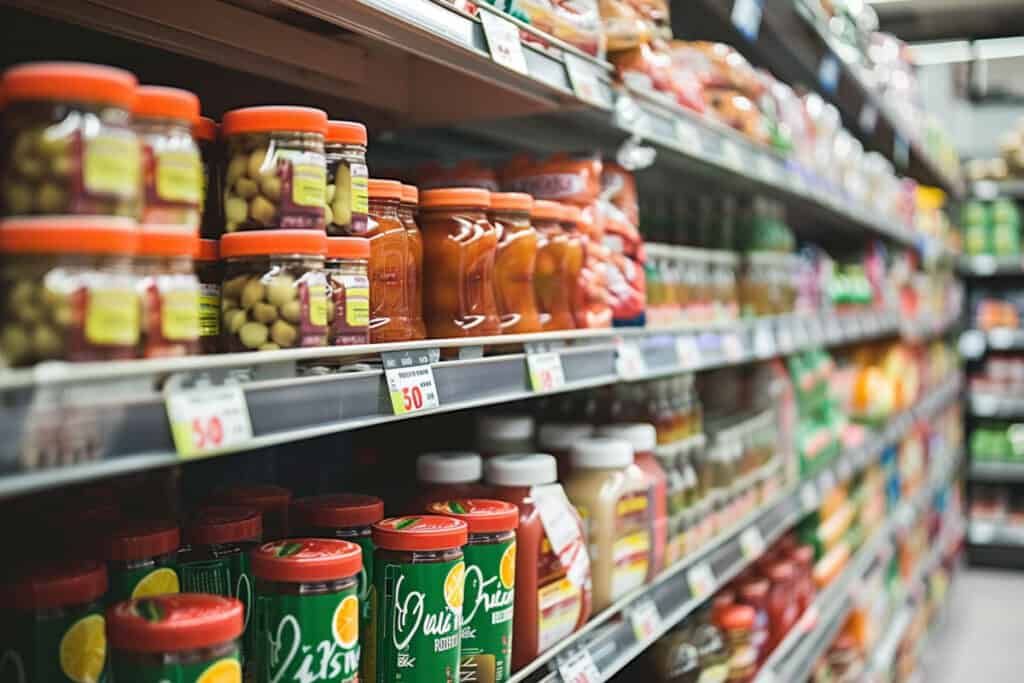
Plan your meals around foods that are on sale at your local grocery store or supermarket. This way, you can take advantage of discounts and lower prices, allowing you to stretch your budget further. Don’t forget to check for coupons or special promotions that can help you save even more.
3. Embrace Grains
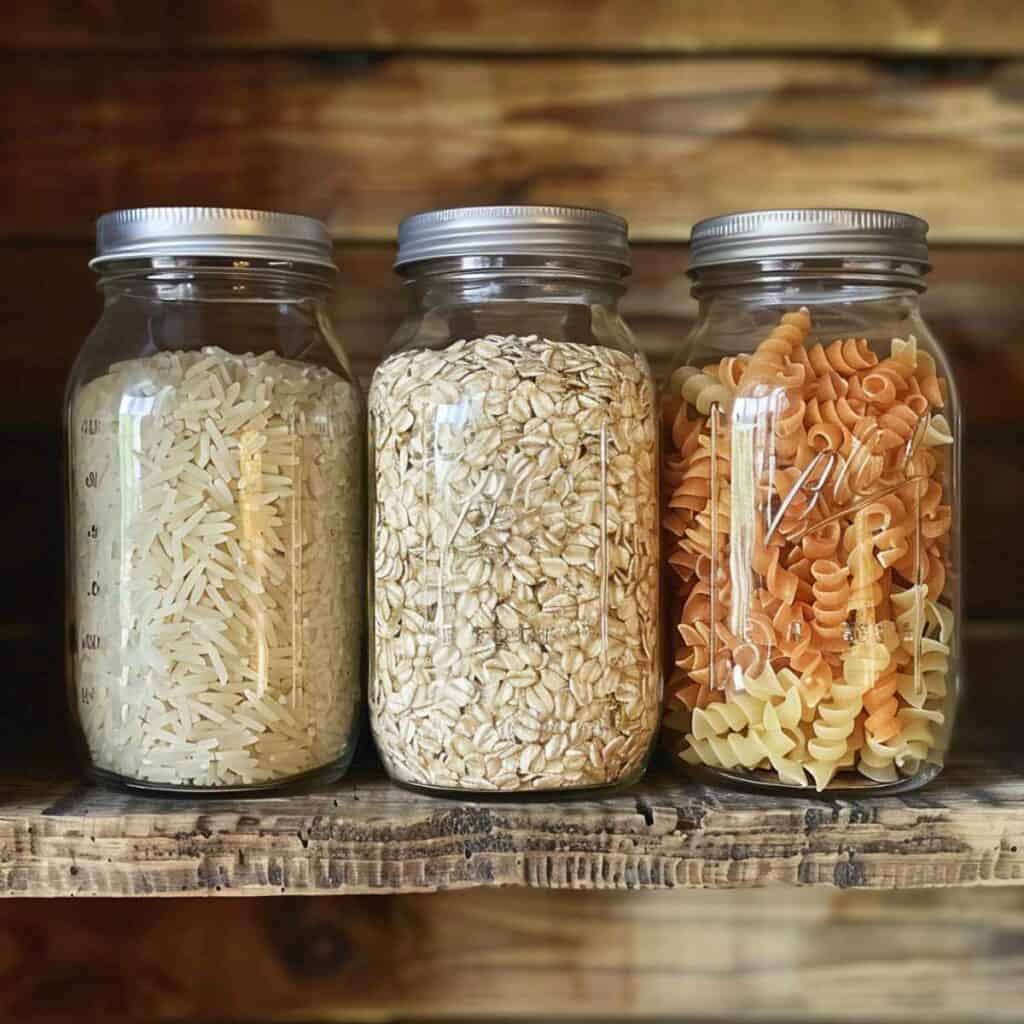
Grains such as rice, pasta, and oats are inexpensive and versatile ingredients that can be the foundation of your meals. Enjoy grains more often as they provide a filling and cost-effective way to balance your meals. Experiment with different recipes that highlight the flavors and textures of grains.
4. Seasonal Recipes
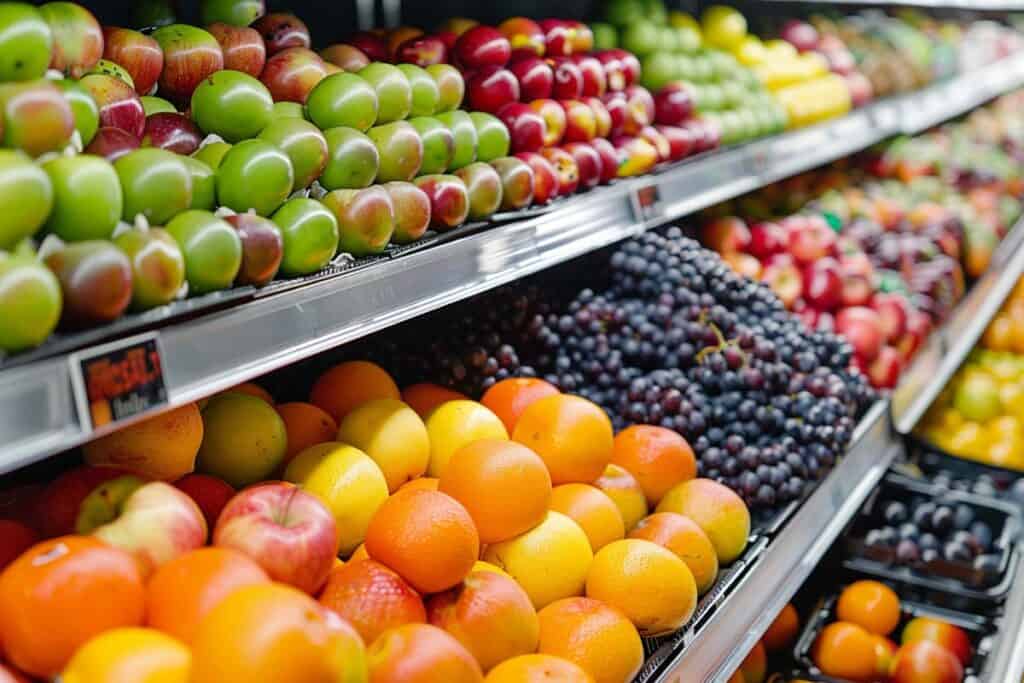
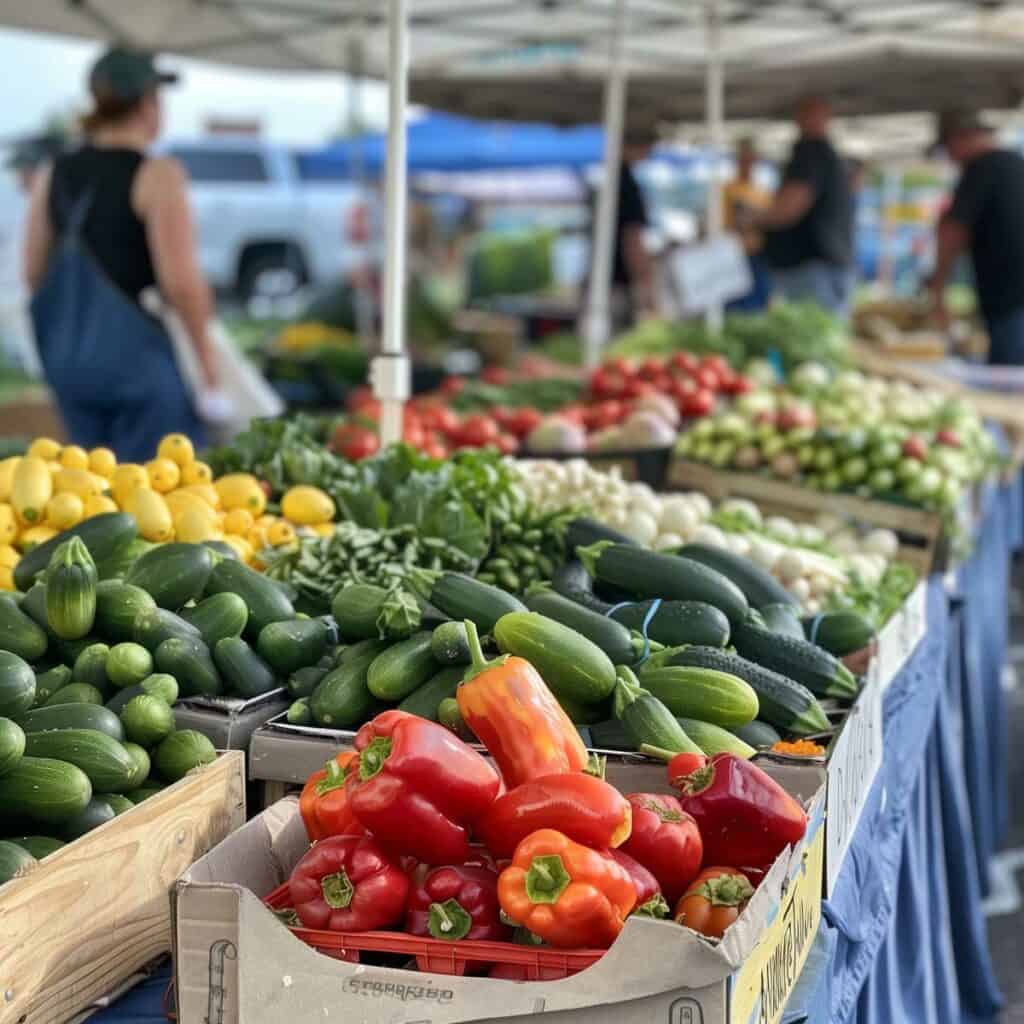
Avoid recipes that require special or expensive ingredients. Instead, look for seasonal recipes that utilize fresh and affordable produce. Seasonal fruits and vegetables tend to be more cost-effective and flavorful, adding variety to your meals while keeping your budget in check.
5. Plan for Leftovers
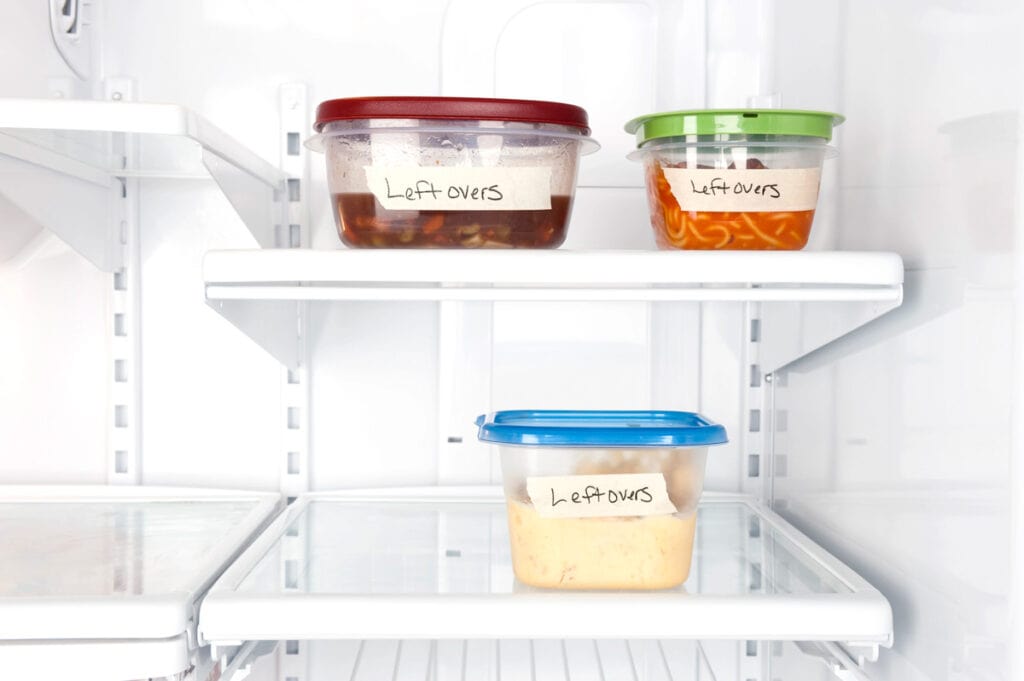
Plan to use leftovers and make extra batches of meals that can be enjoyed throughout the week. This eliminates the need for expensive takeout or dining out and allows you to maximize the value of your ingredients. Get creative and repurpose leftovers into new dishes to keep meals exciting and reduce food waste.
6. Family Favorites
Get input from your family and understand their favorite dishes. By involving everyone in the meal planning process, you can ensure that everyone’s preferences are taken into account. This encourages participation and makes mealtime more enjoyable for everyone.
7. Balanced Meals
When meal planning on a budget, it’s important to prioritize balanced meals that include vegetables and/or fruits, whole grains, and protein foods. These components provide essential nutrients and promote overall health and well-being. Be mindful of portion sizes and adjust recipes accordingly.
By following these meal planning tips, you can start meal planning on a budget and enjoy delicious, nutritious meals without breaking the bank.
| Benefits of Starting Meal Planning on a Budget |
|---|
| Save money |
| Reduce food waste |
| Eat healthier |
| Stay organized |
| Enjoy variety |
| Save time |
Take Inventory of What You Have
Before you start meal planning, it’s important to take inventory of your pantry and check the expiry dates of the ingredients you already have. This step will not only help you save money but also ensure that you use up ingredients before they go bad, reducing food waste in the process.
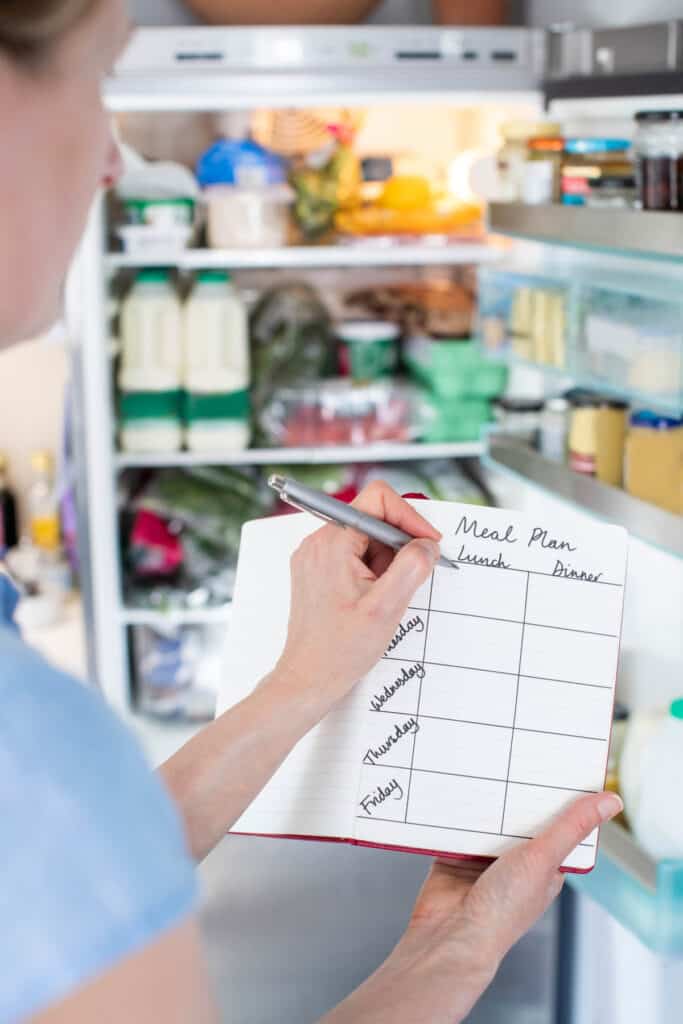
By making a list of the ingredients you currently have on hand, you can easily incorporate them into your meal plan. Look for recipes that utilize these ingredients, and get creative with your cooking. You might be surprised at the delicious meals you can create using items that are already in your pantry.
Using up ingredients before they expire is a great way to save money on groceries. It prevents you from buying duplicate items and ensures that you make the most of what you already have. Plus, it’s an opportunity to get creative in the kitchen and try new recipes.
To help you visualize your pantry inventory, here’s a table showcasing some common pantry items, their typical shelf life, and how to use them up:
| Ingredient | Shelf Life | Ways to Use It Up |
|---|---|---|
| Flour | 6-12 months | Bake homemade bread, make pancakes or waffles |
| Rice | 2-3 years | Cook rice bowls, fried rice, or rice pudding |
| Canned beans | 2-5 years | Make chili, bean salads, or bean dips |
| Pasta | 1-2 years | Cook pasta dishes like spaghetti, macaroni and cheese, or pasta salads |
| Canned tomatoes | 12-18 months | Create tomato sauces, soups, or stews |
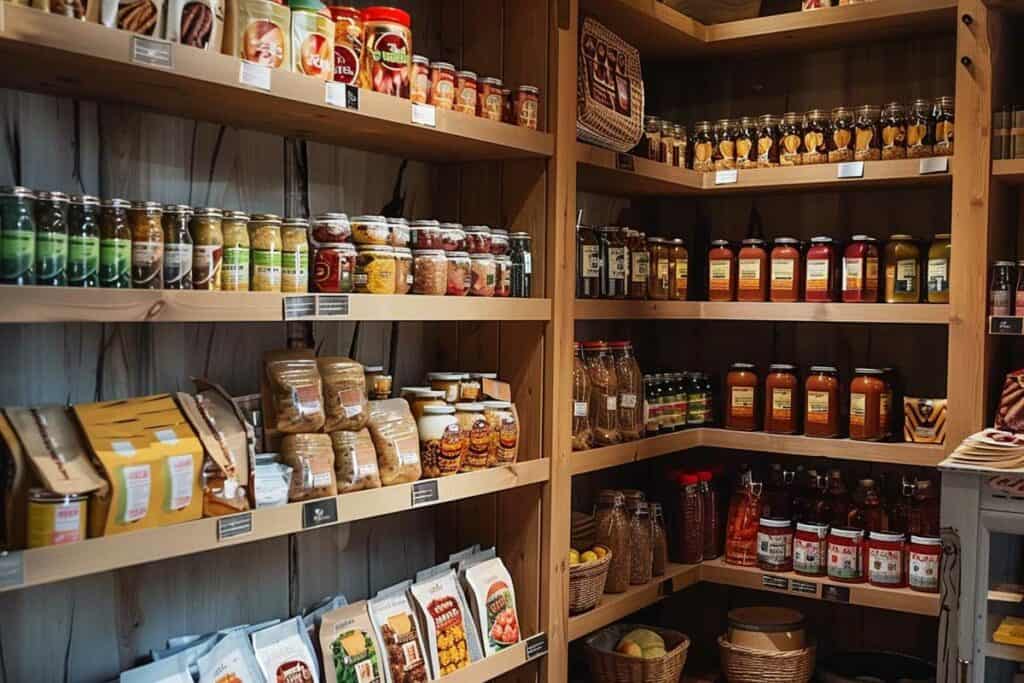
Remember, taking inventory of your pantry and using up ingredients before they expire is not only a budget-friendly practice but also a sustainable one. It helps you make the most of your resources and reduces food waste, which is better for both your wallet and the environment.
Set a Budget
When it comes to budget meal planning, one of the first steps you need to take is setting a food budget. Determining how much you plan to spend at the grocery store can help you make more informed decisions about what to buy and how to allocate your resources. To set a budget that works for you, consider the following factors:

- Costs of feeding your household: Take into account the number of people you’re cooking for and their dietary needs. This will give you a better understanding of the overall food expenses.
- Your financial goals: Think about your long-term financial goals and how meal planning can help you achieve them. Whether you’re saving for a vacation or paying off debt, setting a realistic budget will help you stay on track.
- Prioritize health goals: Your health should always remain a priority. Consider the quality of the ingredients you buy and make choices that align with your health goals.
By carefully considering these factors, you can set a budget that works for you and helps you achieve your financial and health goals.
Creating a Budget Table
One way to visually track your food budget is by creating a table to document your expenses. Here’s an example:
| Expense Category | Monthly Budget |
|---|---|
| Groceries | $400 |
| Eating Out | $100 |
| Snacks | $50 |
| Total | $550 |
This table helps you allocate your budget for different categories, such as groceries, eating out, and snacks. It allows you to have a clear overview of your monthly expenses and make adjustments as needed.



Setting a budget for your meal planning not only helps you manage your finances but also ensures you make informed decisions about your food choices. By prioritizing your financial and health goals, you can create a budget that suits your needs and empowers you to make smart and affordable meal planning decisions.
Create a Weekly Meal Plan
Meal planning is a fantastic way to save money and time while ensuring you enjoy delicious and nutritious meals throughout the week. By creating a weekly meal plan, you can take control of your food budget and make informed choices about what you eat.
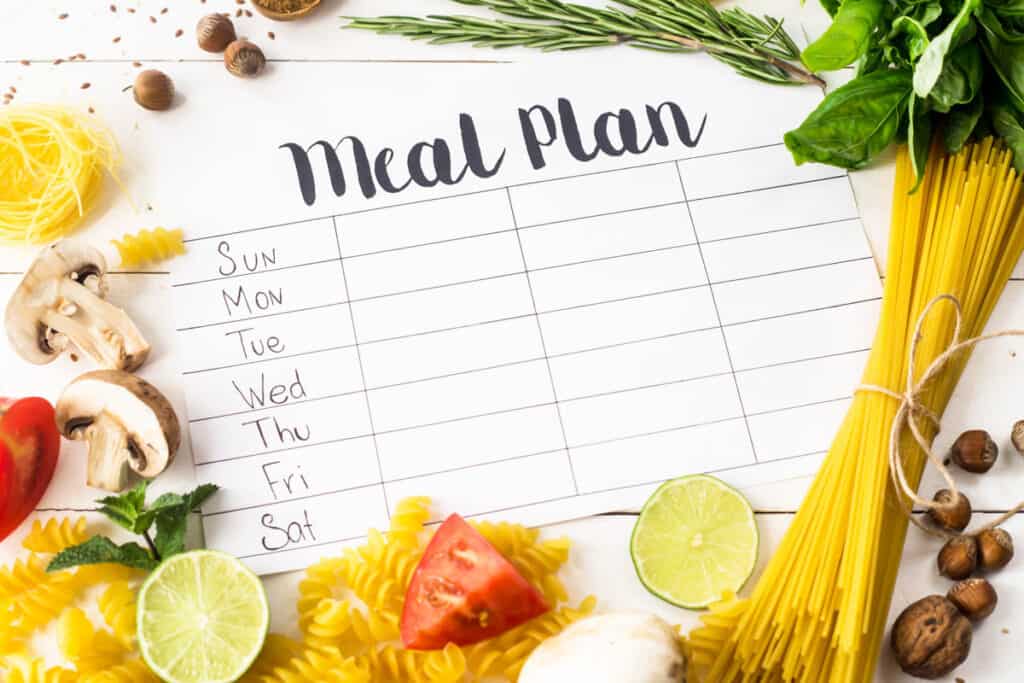
To create a successful weekly meal plan, there are a few key strategies you can follow:
Utilize a Meal Planning Template
A meal planning template can be a helpful tool to organize your meals for the week. It allows you to see your entire week’s worth of meals at a glance, making it easier to create shopping lists and ensure you have all the necessary ingredients on hand.
Include Meatless Meals
To reduce costs, consider incorporating meatless meals into your weekly meal plan. Plant-based proteins such as beans, lentils, and tofu are not only affordable but also provide valuable nutrients.

Prep and Freeze Meals
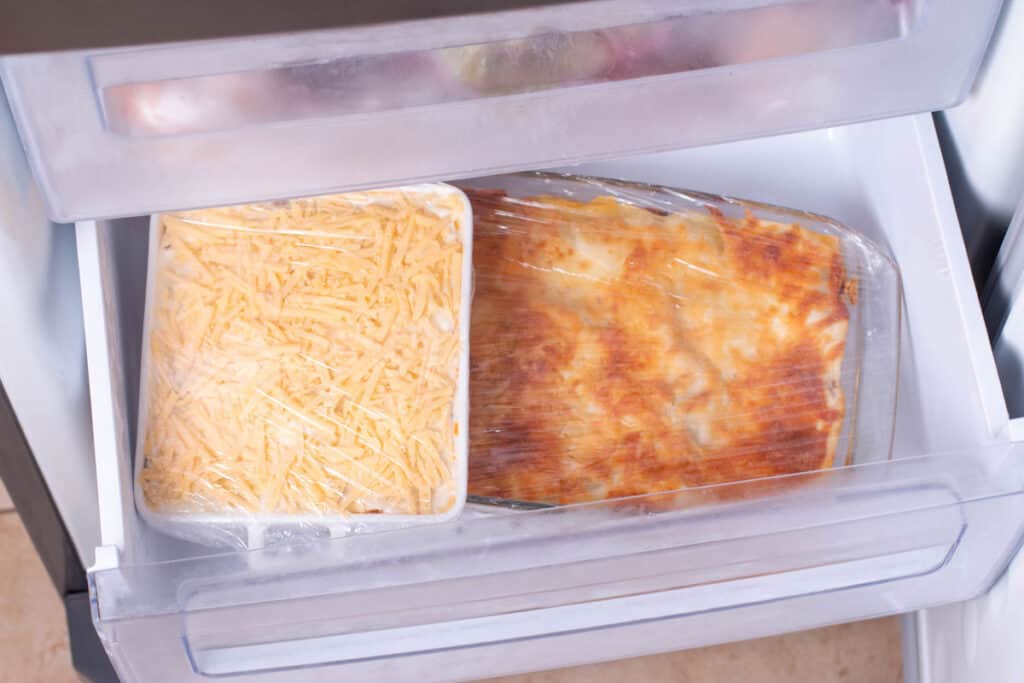
Preparing your meals ahead of time and freezing them allows for quick and convenient options during busy days. It also helps prevent food waste by extending the shelf life of prepared meals.
Don’t Forget Snacks
While planning your meals, don’t forget to include snacks in your weekly meal plan. Having nutritious and budget-friendly snacks on hand can help you avoid impulse purchases and keep you satisfied between meals.


By creating a weekly meal plan that incorporates these strategies, you can save money, reduce food waste, and enjoy a delicious variety of meals throughout the week.
Meal planning is an opportunity to take control of your weekly eating habits and save money. By utilizing a meal planning template and being strategic with your shopping, you can create a budget-friendly weekly meal plan without compromising on taste and nutrition.
Before You Shop: Plan Ahead for Savings
Before you head to the grocery store, take a few moments to plan ahead and maximize your savings. By implementing these simple strategies, you can make your grocery shopping experience more cost-effective and efficient.
Create a Shopping List

Once you know what you need, create a shopping list and stick to it. A well-planned list will prevent impulse buys and keep you focused on your meal plan. Write down all the items you need, organized by categories, such as produce, dairy, pantry staples, and protein. This will help you navigate the store more efficiently and avoid purchasing items you don’t need.
Check for Coupons and Discounts
Before heading to the store, check online or in your local newspaper for coupons and discounts. Many grocery stores offer digital coupons that can be loaded onto your loyalty card and automatically apply at checkout. Additionally, keep an eye out for sales and promotions on the items you plan to buy. By taking advantage of these deals, you can significantly reduce your grocery bill.

Consider Shopping at Multiple Stores
While it may require a bit more time and effort, shopping at multiple stores can often lead to significant savings. Different stores may have different sales and discounts on various products, allowing you to get the best deals on each item. Consider dividing your shopping list between different stores to take advantage of these offers and maximize your savings.
Avoid Impulse Buys
One of the surefire ways to overspend at the grocery store is by giving in to impulse buys. Retailers strategically place tempting items at eye level and near the checkout to entice shoppers. To avoid falling into this trap, stay disciplined and stick to your list. Remember, planning ahead and making thoughtful choices can lead to substantial savings.
By following these grocery shopping tips and planning ahead for savings, you can take control of your food budget and reduce impulse buys. A little preparation goes a long way in helping you save money and make the most of your grocery shopping experience.
| Tips | Description |
|---|---|
| Take Stock of What You Have | Check your pantry, fridge, and freezer for ingredients you already have before making a shopping list. |
| Create a Shopping List | Write down all the items you need and organize them by category to stay focused and avoid impulse buys. |
| Check for Coupons and Discounts | Look for digital coupons and discounts before you go to the store to save money on your purchases. |
| Consider Shopping at Multiple Stores | Visit different stores to take advantage of sales and promotions on various items and maximize your savings. |
| Avoid Impulse Buys | Stay disciplined and stick to your list to avoid purchasing unnecessary items and overspending. |
Conclusion
Meal planning on a budget offers a practical and sustainable approach to saving money while enjoying delicious and nutritious meals. By implementing the tips and strategies outlined in this article, you can take control of your food budget, avoid food waste, and optimize your grocery shopping trips.
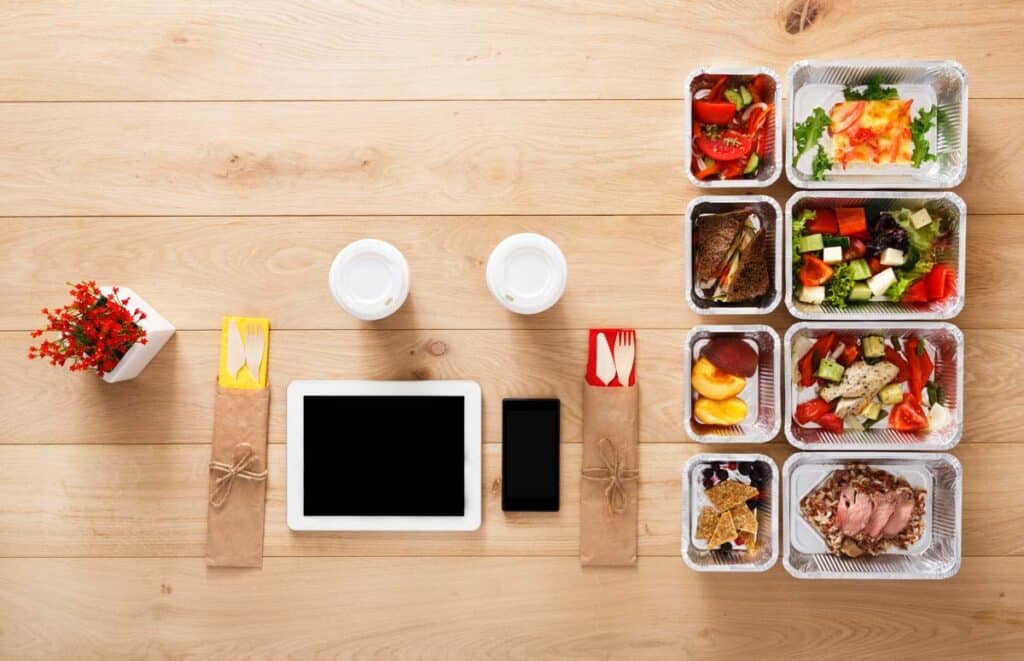
Budget meal planning is not only about financial savings, but also about making intentional choices that promote your overall well-being. By planning your meals in advance, you can avoid impulse purchases and make healthier eating choices. You have the power to prioritize your health goals, save money, and reduce food waste, all while enjoying a variety of flavorful and satisfying meals.
Remember, meal planning is a valuable skill that can benefit individuals and families alike, regardless of their budget size. Whether you are looking to tighten your spending or adopt healthier eating habits, budget meal planning can be a powerful tool in achieving your goals. Start small, experiment with different recipes, and find what works best for you and your household. With a little bit of planning and creativity, you can make the most of your ingredients, save money, and savor every bite.
FAQ
What are the benefits of meal planning on a budget?
Meal planning on a budget can help you save money on your food bill, reduce food waste, make healthier choices, save time, and avoid impulse purchases.
How do I start meal planning on a budget?
To start meal planning on a budget, create a menu based on foods that are on sale, take inventory of the ingredients you already have, incorporate plant-based meals for affordable protein options, and plan to use leftovers.
What should I consider when setting a budget for meal planning?
When setting a budget for meal planning, consider your household’s food costs and your financial goals. Be realistic and prioritize your health goals and overall well-being.
How can I save money on groceries for meal planning?
To save money on groceries for meal planning, browse grocery sales, take advantage of discounts, use coupons, shop at multiple stores, and stick to your shopping list.
What should I do before going grocery shopping for meal planning on a budget?
Before going grocery shopping, take stock of what you already have, make a shopping list, check for coupons, and plan ahead to avoid impulse buys.
How does meal planning on a budget reduce food waste?
Meal planning on a budget reduces food waste by using up ingredients before they expire, incorporating leftovers into new meals, and ensuring that all purchased ingredients are used in planned meals.
What are some tips for creating a weekly meal plan?
When creating a weekly meal plan, consider using a meal planning template, incorporate balanced meals with vegetables, fruits, whole grains, and protein foods, and include meatless meals to reduce costs.
How can meal planning on a budget save time?
Meal planning on a budget saves time by eliminating the need to decide what to cook each day, reducing trips to the grocery store, and allowing for meal preparation in advance.
How can I make meal planning on a budget more affordable?
To make meal planning on a budget more affordable, plan meals around foods that are on sale, avoid recipes with expensive ingredients, look for seasonal recipes, and consider alternative options for costly ingredients.
What should I do with leftovers when meal planning on a budget?
When meal planning on a budget, leftovers can be incorporated into new meals or used for lunches or dinners on subsequent days to reduce food waste and save money.
