Panda Express Chow Mein
 Add Preferred Source
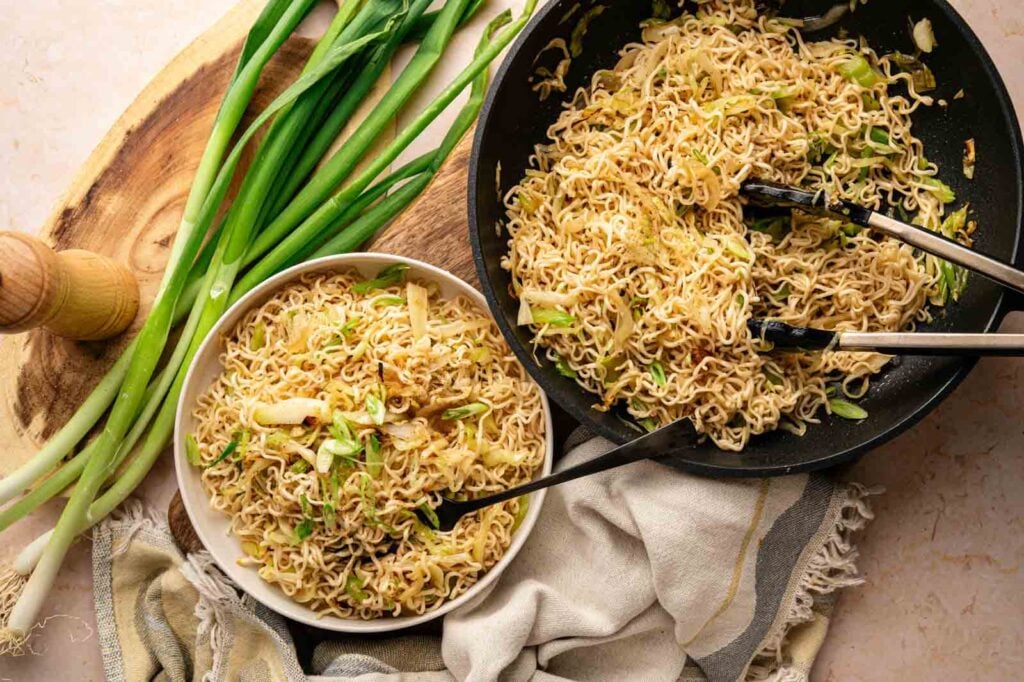
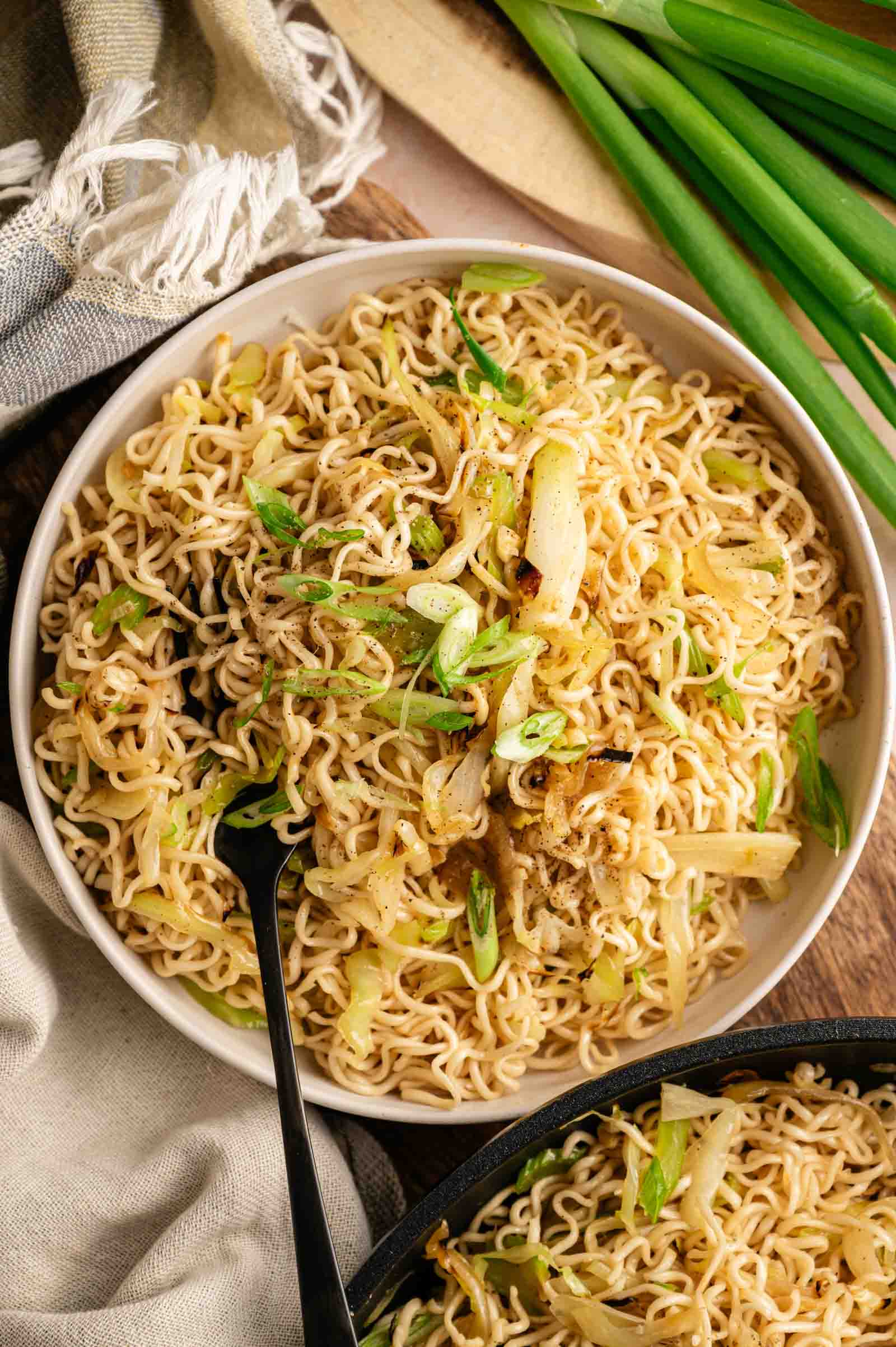
Panda Express Chow Mein is my go-to when I want a noodle dish that tastes exactly like my favorite takeout order without the drive. The noodles are chewy and perfectly coated in a savory, glossy sauce and the vegetables stay just crisp enough to give every bite real texture. Fast, flavorful, and dangerously easy to make on repeat.
This post contains affiliate links. As an Amazon Affiliate, if you purchase through those links, I earn a commission. Thank you!
I make it for weeknight dinners, weekend lunches, meal prep, and potluck nights, and it always disappears fast. Leftovers keep well in the fridge for up to 4 days, and you can reheat them in a skillet in just a few minutes with a small splash of water to loosen the noodles.
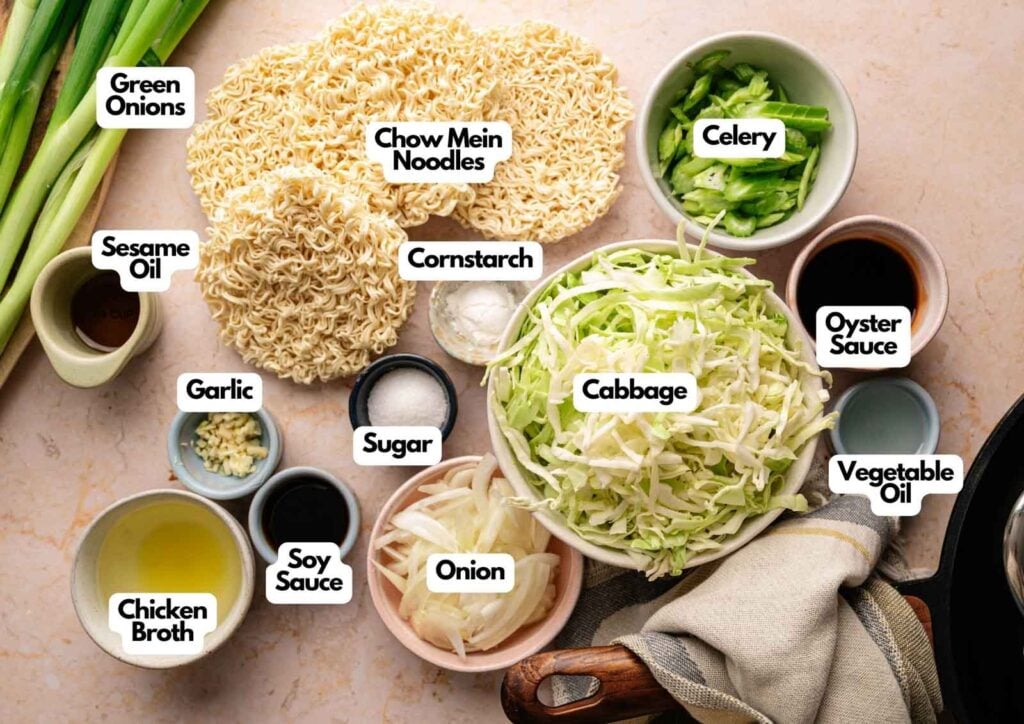
Ingredients You’ll Need
You’ll need all the ingredients shown in the photograph below.
How to Make Panda Express Chow Mein with Step-By-Step Instructions
Scroll down for the full recipe card containing a full printable recipe and measurements in both US customary and metric units.
Here’s everything you need to know to make these stir-fried noodles taste just like the real thing. Fresh noodles from the refrigerated section of your Asian grocery store work best, but dried noodles cook up great, too.
Mix the Chow Mein Sauce
Whisk together the vegetable oil, soy sauce, oyster sauce, sesame oil, and sugar in a small bowl until combined. Set it aside while you prep everything else.
Use low-sodium soy sauce for a lighter, healthier version, or add a small splash of dark soy sauce for a deeper color and richer flavor. Make sure you use a high-quality oyster sauce for the most authentic flavor.
Cook the Noodles
Bring a pot of water to a boil and add the chow mein noodles. Cook them for just 20 to 30 seconds, only until they loosen and separate, keeping them just tender and al dente since they’ll finish cooking in the pan.
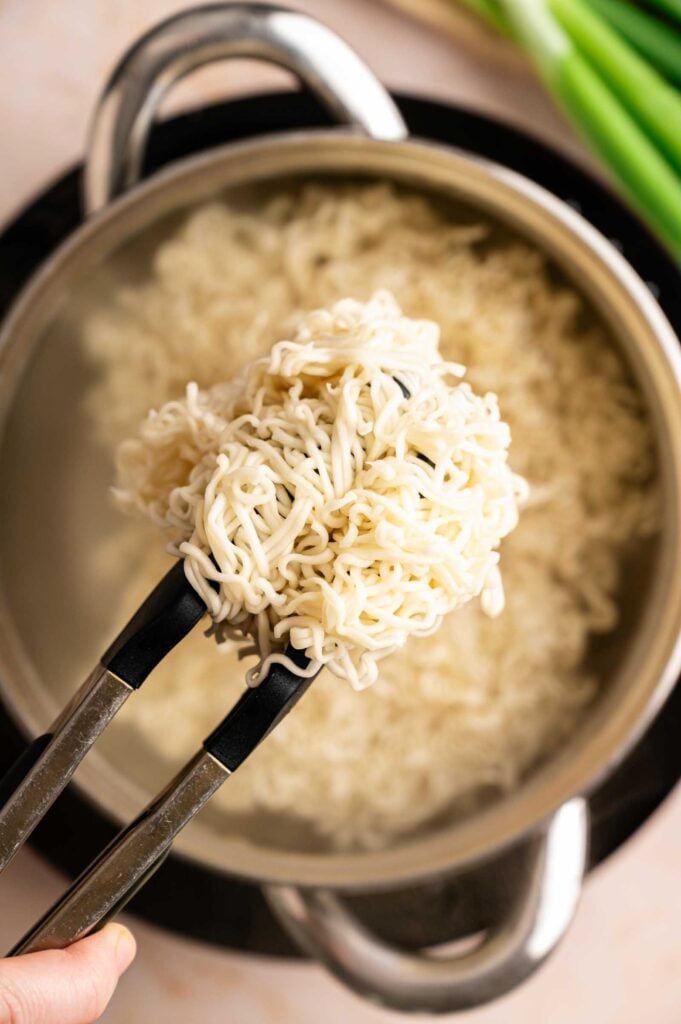
Drain them well and toss with a little oil right away to keep them from sticking. Pick up a stainless steel colander to make draining and tossing quick and mess-free.
Fresh yaki soba noodles or ramen noodles from the refrigerated section are great swaps if you can’t find chow mein noodles.
Stir-Fry the Vegetables
Heat a large wok over medium-high heat. A large nonstick skillet gives you that high-heat sear that makes stir-fry taste like real takeout.
Add a bit of neutral oil, then stir-fry the onion, cabbage, celery, and garlic for about 1 minute until slightly softened but still crisp. Feel free to add cabbage generously and toss in extras like bean sprouts, bell peppers, or snow peas to bulk it up into a complete meal.
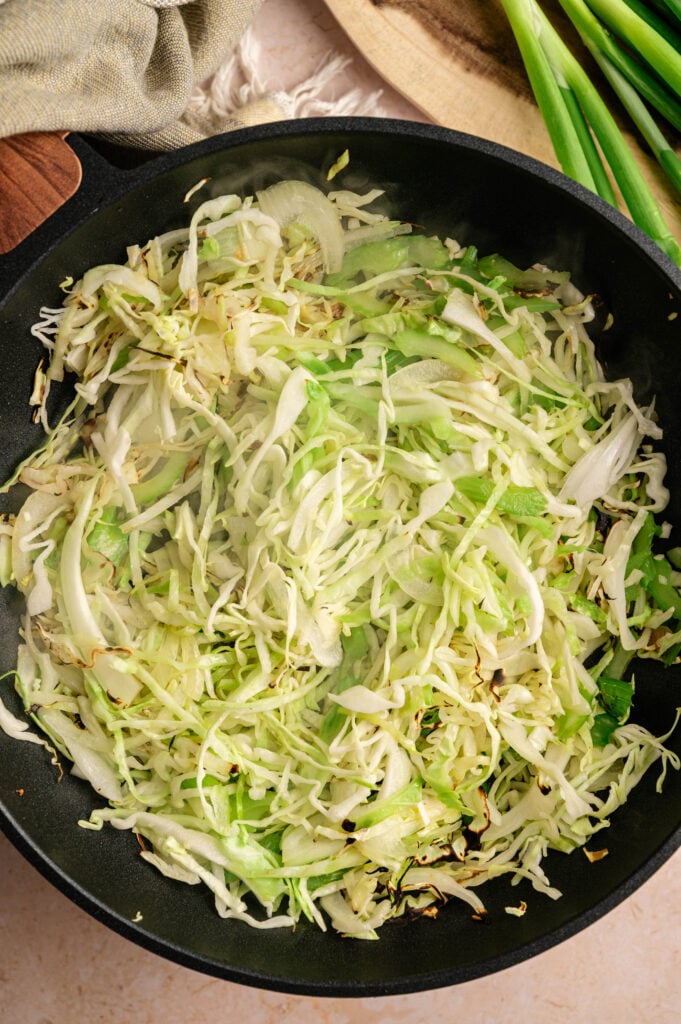
You can also add a pinch of white pepper here for a subtle, savory heat.
Combine the Noodles and Sauce
Push the vegetables to one side of the pan. Toss in the noodles and pour the prepared sauce directly over them once the noodles are ready.
Having your sauce already mixed makes this step quick and smooth.
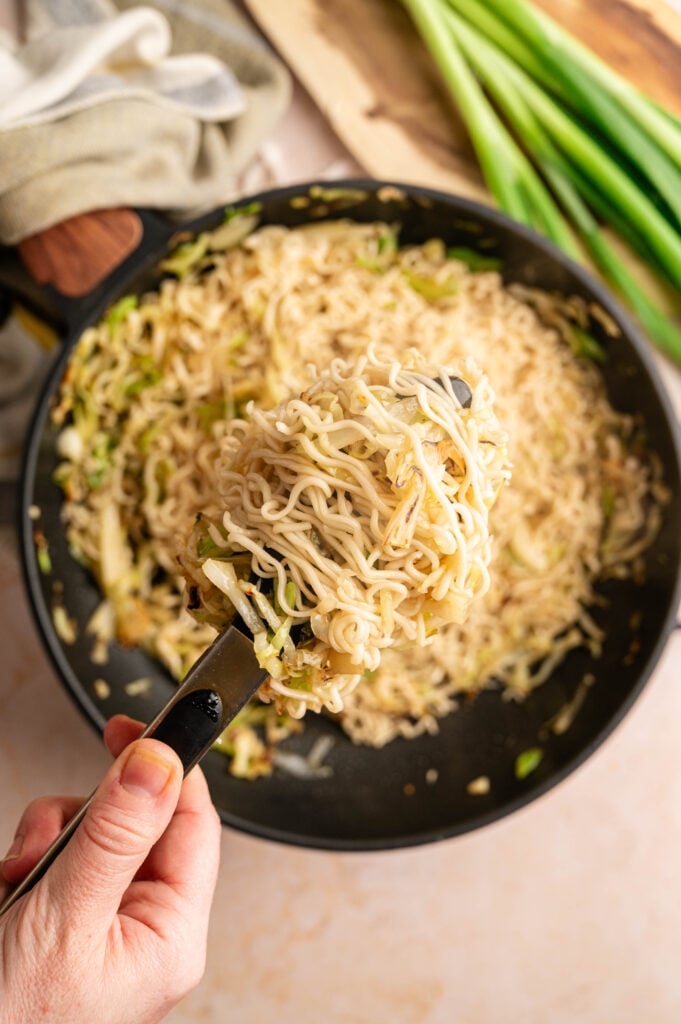
Add the Cornstarch Slurry
In a small bowl, mix the chicken broth and cornstarch together with a splash of cold water, then pour it into the pan. I keep a set of glass mixing bowls on hand so my slurry and sauce are ready to go before I start cooking.
This slurry gives the sauce its glossy, thick consistency, like the one you get from Panda Express. Toss everything together until the noodles are well coated and heated through and the sauce has lightly thickened.
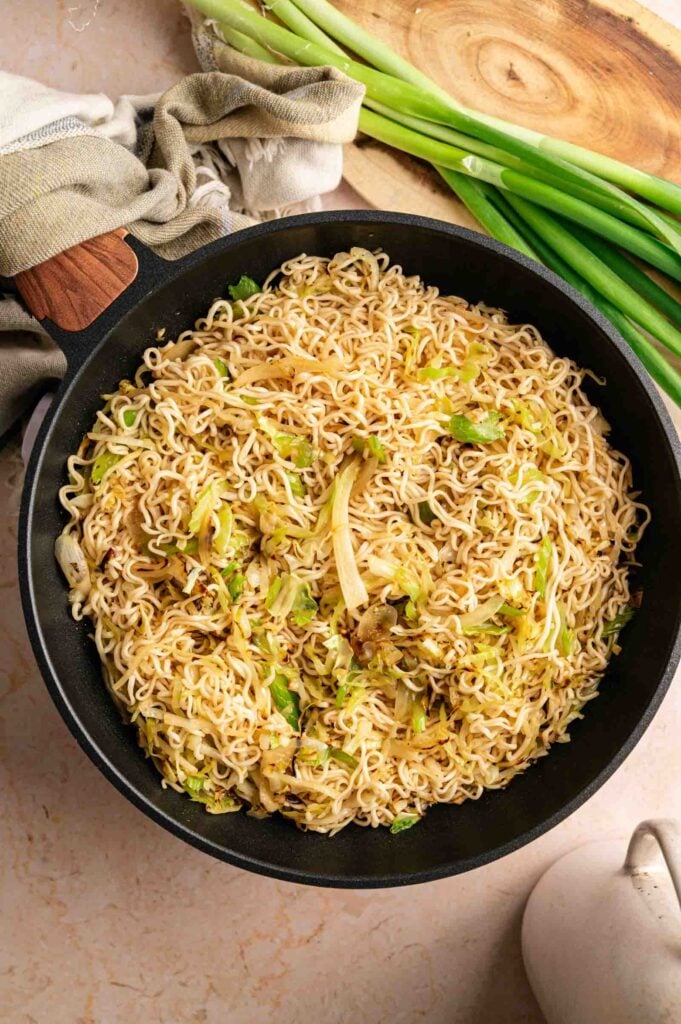
Garnish and Serve
Scatter chopped green onions over the top and serve immediately. Enjoy!
If you’re bringing Panda Express Chow Mein to a potluck or packing it up for a gathering, transfer it to a shallow airtight container right after cooking. If you need to transport it warm, wrap the container in a thick kitchen towel or tuck it into an insulated casserole bag to keep the heat in. Give it a quick toss before serving to prevent the noodles from clumping.
Ingredients
Chow Mein:
- 8 ounces chow mein noodles
- 2 cups cabbage thinly sliced
- 1 cup celery sliced
- ½ cup onion sliced
- 2 garlic cloves minced
Sauce:
- 2 tablespoons vegetable oil
- 2 tablespoons soy sauce
- 2 tablespoons oyster sauce
- 1 tablespoon sesame oil
- 1 teaspoon sugar
Finishing:
- ¼ cup chicken broth
- ½ tablespoon cornstarch
- Green onions for garnish
Instructions
- In a small bowl, whisk together the vegetable oil, soy sauce, oyster sauce, sesame oil, and sugar. Set aside.2 tablespoons vegetable oil, 2 tablespoons soy sauce, 2 tablespoons oyster sauce, 1 tablespoon sesame oil, 1 teaspoon sugar
- Bring a pot of water to a boil. Add the noodles and cook for 20–30 seconds, just until loosened. Drain well and toss with a little oil to prevent sticking.8 ounces chow mein noodles
- Heat a large skillet or wok over high heat. Add a bit of oil, then stir-fry the onion, cabbage, celery, and garlic for about 1 minute, until slightly softened but still crisp.2 cups cabbage, 1 cup celery, ½ cup onion, 2 garlic cloves
- Push the vegetables to one side of the pan. Add the noodles and pour in the prepared sauce.
- In a small bowl, mix the chicken broth and cornstarch, then add it to the pan.¼ cup chicken broth, ½ tablespoon cornstarch
- Toss everything together until well coated and heated through. The sauce should lightly thicken and coat the noodles.
- Garnish with chopped green onions and serve immediately.Green onions
Notes
- Don’t overcook the noodles: Pull them out of the boiling water after just 20 to 30 seconds. They’ll finish cooking in the pan, and overcooking them upfront leads to mushy chow mein.
- Toss with oil immediately: After draining the noodles, toss them with a little oil right away so they don’t clump together before they hit the pan.
- Use high heat for the stir-fry: It’s what gives the vegetables and noodles a slight char and that wok-style flavor. Don’t turn it down or overcrowd the pan.
- Stir-fry the vegetables for just 1 minute: Keep the cabbage, celery, and onion slightly crisp. They’ll continue to cook once the noodles and sauce go in, so pull back before they’re fully soft.
- Mix the slurry right before adding: Cornstarch settles quickly, so give the chicken broth and cornstarch mixture a quick stir right before pouring it into the pan to keep it evenly combined.
- Freeze in single portions: If you’re freezing leftovers, divide the chow mein into individual servings before freezing so you can pull out exactly what you need without thawing the whole batch.
Nutrition
How to Store Leftovers
Let the leftover chow mein cool completely, then transfer to an airtight glass container and refrigerate for up to 4 days. To reheat, add it to a skillet over medium heat with a small splash of water or broth to loosen the noodles, tossing until warmed through.
For longer storage, portion it into freezer-safe bags, press out the air, and freeze for up to 2 months. Thaw overnight in the fridge, then reheat in a hot skillet for the best texture. The noodles hold up well after freezing as long as you don’t overcook them in the first place.
What to Serve With Panda Express Chow Mein
It works great as a side dish or as the star of a full Chinese food spread at home. Pair it with honey walnut shrimp, orange chicken, or beef and broccoli for a restaurant-style complete meal that tastes better than takeout. Fried rice on the side rounds it out nicely if you want to stretch the meal further.
For a lighter spread, steamed dumplings or egg rolls pair well with the noodles. A simple cucumber salad with rice vinegar and sesame oil cuts through the richness of the sauce, keeping things balanced. For a gluten-free version of the noodles, swap in rice noodles and use tamari in place of soy sauce.
More Easy Recipes for You to Try at Home
You’ll love these other easy Panda Express recipes.
